ZhongZe
China RotoMolds & OEM
Get a Quote
ZhongZe
China Roto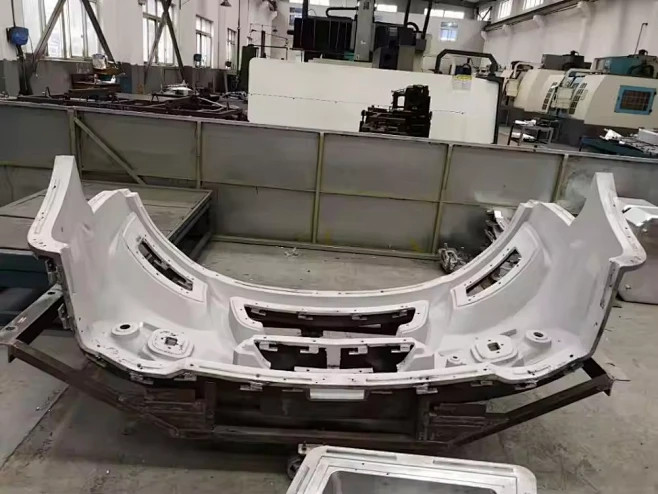
Choosing a rotomolding mold is not simply a matter of selecting the lowest-cost option. Product geometry, production volume, surface requirements, expected mold life, and manufacturing method all affect the right choice.
For a new rotomolded product, the mold should be considered together with the product design and production requirements.
Product size and geometry are the first factors to review.
Large parts, deep cavities, complex curves, sharp transitions, ribs, inserts, and difficult-to-demold areas can affect mold construction and manufacturing.
The parting line also needs to be considered early. Its location can influence mold structure, product appearance, flash removal, and demolding.
A mold construction method that works well for a simple enclosure may not be suitable for a large or structurally complex product.
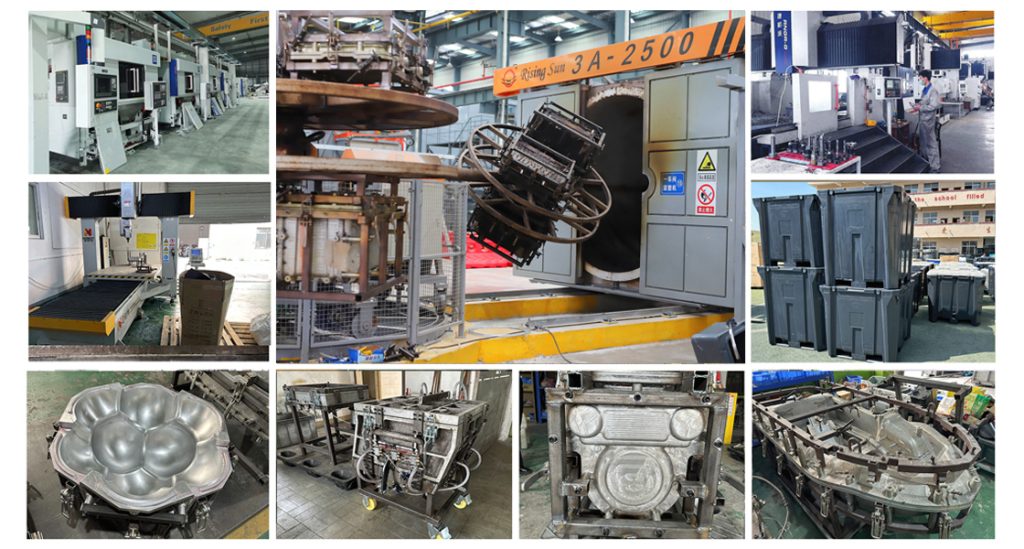
Three common options for custom rotomolding molds are cast aluminum, CNC machined aluminum, and fabricated steel.
Cast aluminum molds are widely used for custom rotational molding. They can accommodate different product sizes and geometries and provide flexibility for many production applications.
They are often considered when the product requires a practical balance between mold cost, surface quality, durability, and production requirements.
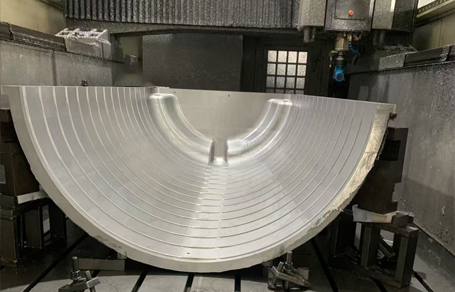
CNC machined aluminum molds are produced directly from an aluminum block using machining equipment.
They can provide accurate mold geometry and are suitable when dimensional consistency, detailed surfaces, or specific mold features are important.
Fabricated steel molds can be considered for large products, certain structural requirements, or applications where a steel mold is appropriate for the expected production conditions.
The best method depends on the actual product and production requirements rather than simply comparing the initial mold price.
Expected production volume is another important factor.
A mold intended for limited production may have different requirements from one expected to run continuously for many years.
Production planning should consider:
Selecting a mold based only on the initial quotation can result in higher costs later.
The mold surface directly affects the finished product.
Requirements may include:
These details should be confirmed before mold manufacturing because they can affect the mold manufacturing process and cost.
A mold must allow the finished product to be removed without unnecessary difficulty.
Deep sections, undercuts, narrow areas, and complex transitions should be reviewed during product and mold development.
Venting, parting line location, mold structure, and access for loading and unloading also need to be considered.
These details may have little impact on a simple product but can become important as product geometry becomes more complex.
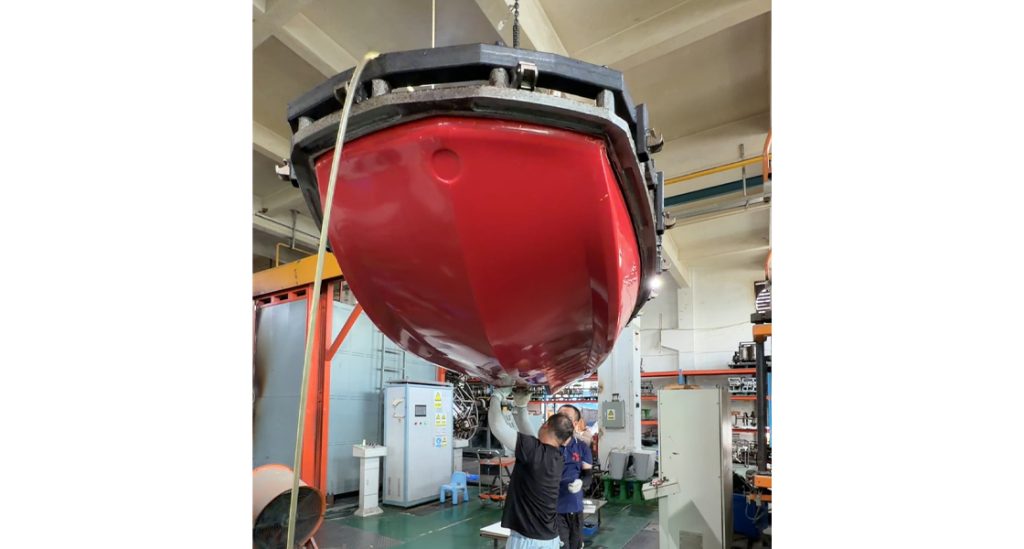
A mold is not fully validated simply because it has been manufactured.
Trial production helps confirm:
If adjustments are required, they should be identified before regular production begins.
The right rotomolding mold is the one that matches the product, production volume, manufacturing requirements, and expected service life.
Rather than choosing a mold based only on price, review the complete manufacturing requirement before mold construction begins.
For custom projects, early communication between product design, mold development, and production can reduce unnecessary changes later.
For more information about custom rotomolding mold development, visit our Roto Molds page.

Rotational molding mold and OEM manufacturing insights, covering mold development, materials, design and production.
Need a custom mold, OEM production, or an electric kart boat? Share your project details with us. Our team will review your requirements and get back to you promptly.
No drawings yet? We can help review your idea and recommend the right approach.