ZhongZe
China RotoMolds & OEM
Get a Quote
ZhongZe
China Roto
Wall thickness is an important consideration when developing a rotationally molded product. It affects product strength, weight, material usage, and overall production cost.
Unlike processes that force plastic into a mold under pressure, rotational molding relies on the movement of plastic material inside a heated mold. As a result, wall thickness is affected by product geometry, material loading, mold design, and molding conditions.
From an engineering perspective, the objective is not to make every area exactly the same thickness, but to achieve a practical thickness range that meets the product’s functional requirements.
The required wall thickness should start with how the product will be used.
Engineers typically consider:
A water tank, industrial enclosure, storage container, and structural component may have very different thickness requirements.
Adding more material is not always the better solution. Excessive thickness increases material consumption and product weight and may also affect production cycle time.
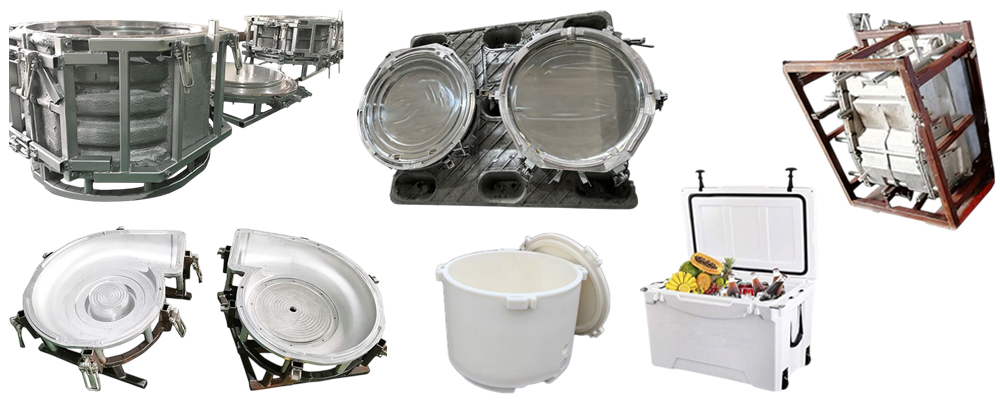
Product geometry has a direct influence on how material distributes inside the mold.
Areas that require closer attention may include:
During mold development, engineers review these features to determine whether the product geometry is suitable for rotational molding and whether particular areas may require process adjustment.
This review is best carried out before mold manufacturing begins.
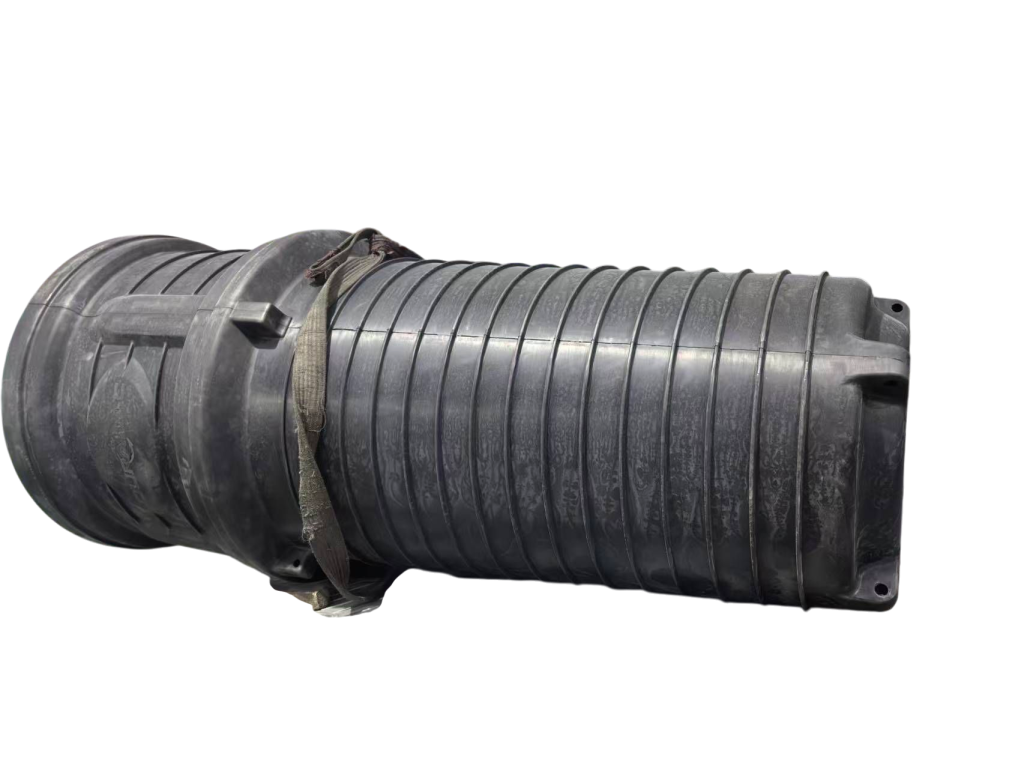
The amount of plastic material loaded into the mold has a major influence on the overall wall thickness.
For the same product and material, increasing the material weight will generally increase the average wall thickness.
However, material weight alone does not determine thickness at every location. The material still needs to distribute properly during heating and rotation.
For a new product, the appropriate material loading is often confirmed through trial production and thickness measurements at critical areas.
During molding, the mold rotates around two axes while being heated.
As the plastic melts, it gradually coats the inside surface of the mold. Heating conditions and rotation behavior therefore influence how the material distributes throughout the cavity.
The appropriate process settings depend on the specific application, including:
For this reason, process parameters should be developed for the individual product rather than simply copied from another project.
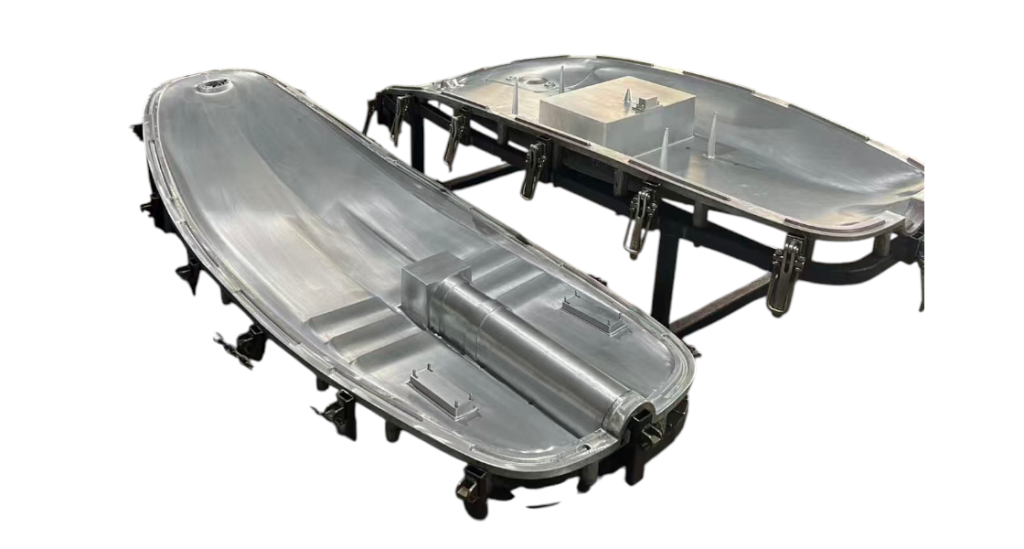
Mold design is another important part of wall thickness control.
Engineers may review:
The goal is to create conditions that allow the material to distribute as consistently as practical.
It is also important to recognize that some thickness variation is normal in rotational molding. The key question is whether the variation remains within the range required for the product’s function and specifications.
For projects requiring custom mold development, these considerations should be addressed before tooling begins. You can learn more about our rotational molding mold development capabilities through our Roto Molds page.
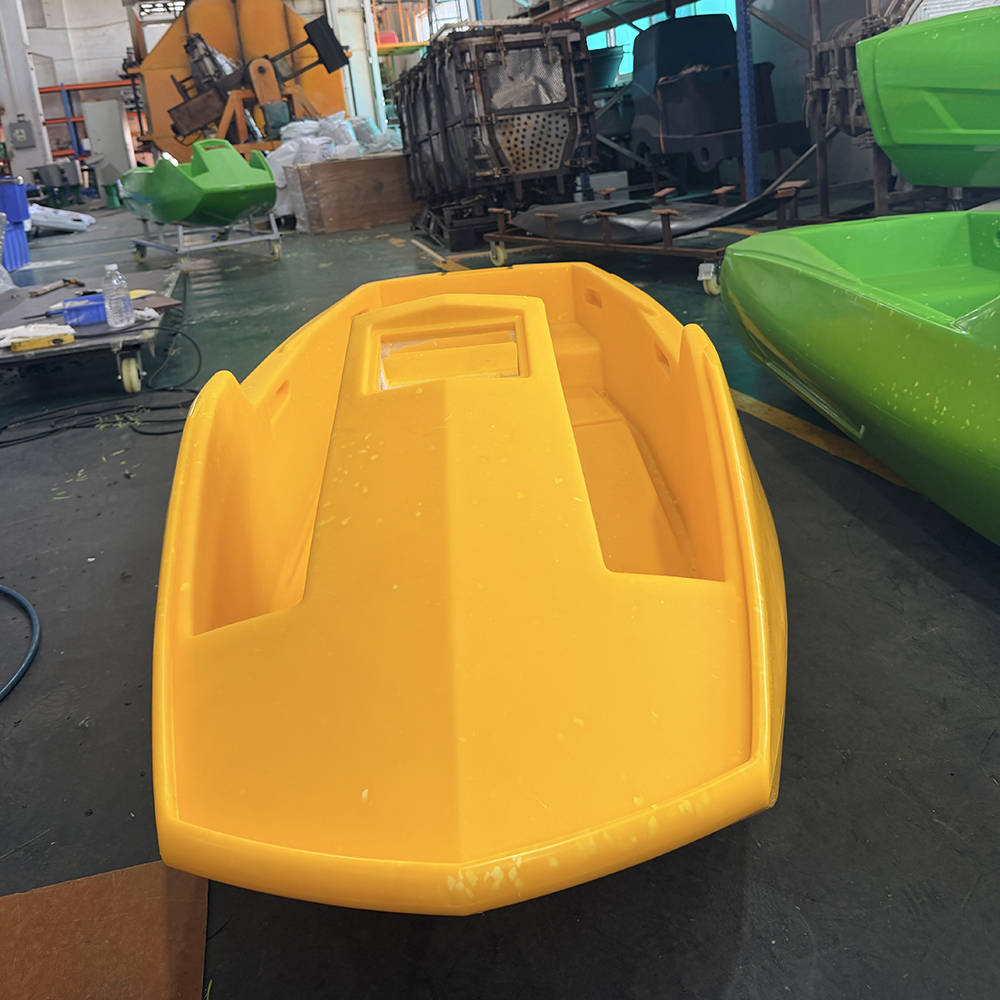
For a new rotationally molded product, trial production is an important part of development.
Engineers can measure wall thickness at critical locations and compare the results with the product requirements.
If adjustments are needed, the team may review:
This approach provides production data that cannot always be determined from product design information alone.
A well-designed product does not necessarily need to be as thick as possible.
Critical areas such as mounting points, handles, corners, and structural sections may require particular attention, while other areas may not need the same thickness.
The objective is to use material where it contributes to product performance and maintain a practical thickness range across the part.
This can help balance product performance, material consumption, weight, and production efficiency.
Wall thickness in rotational molding is influenced by several factors rather than a single setting.
Product geometry, material loading, mold design, heating, rotation, and cooling all contribute to the final result.
For a new product, the most practical approach is to review these factors during mold development and use trial production to establish suitable production conditions.
The goal is not simply thicker walls, but consistent, functional wall thickness that matches the product’s actual requirements.
If you are developing a new rotationally molded product, our engineering team can review the product requirements and mold approach before production begins. Contact our engineering team to discuss your project.

Rotational molding mold and OEM manufacturing insights, covering mold development, materials, design and production.
Need a custom mold, OEM production, or an electric kart boat? Share your project details with us. Our team will review your requirements and get back to you promptly.
No drawings yet? We can help review your idea and recommend the right approach.