ZhongZe
China RotoMolds & OEM
Get a Quote
ZhongZe
China Roto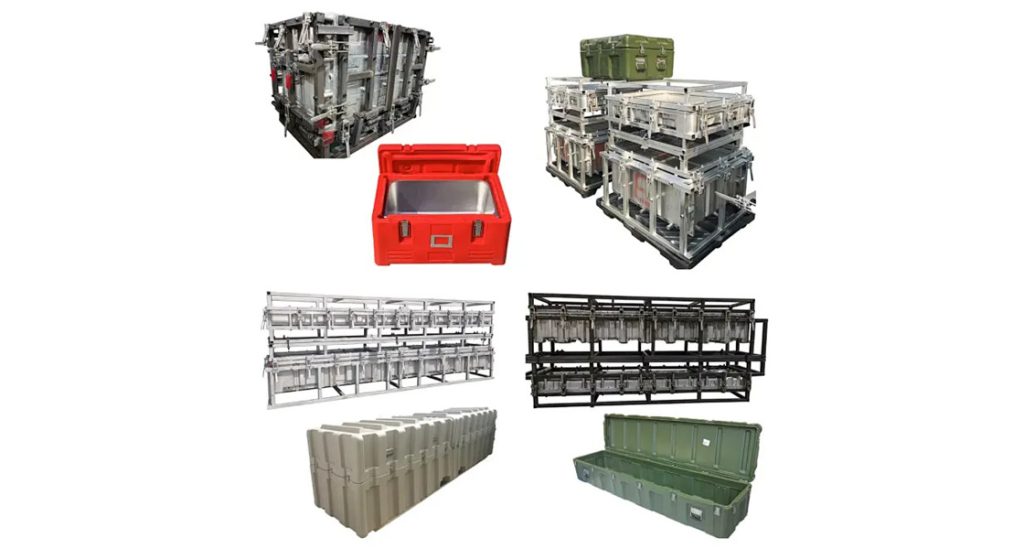
Developing a new rotationally molded product involves more than producing a mold.
The product design, mold structure, material selection, and production process all affect the final result. Many potential issues can be identified before tooling starts through proper engineering review.
From a mold engineer’s perspective, the goal is not only to make a mold that works, but to create a tooling solution that supports stable production.
A product model may look complete, but it still needs to be evaluated for rotational molding requirements.
Before mold development begins, engineers usually review:
Rotational molding has its own design considerations. Product features that look acceptable during design may create challenges during molding, such as difficult demolding, uneven material distribution, or unnecessary trimming work.
Early design review helps reduce avoidable tooling adjustments later.
The best mold type depends on the product requirements, not only the tooling price.
Common rotational molding mold options include:
Cast aluminum molds are widely used for many custom rotational molding applications.
They provide a good balance of:
They are often suitable for medium and large products with complex surfaces.
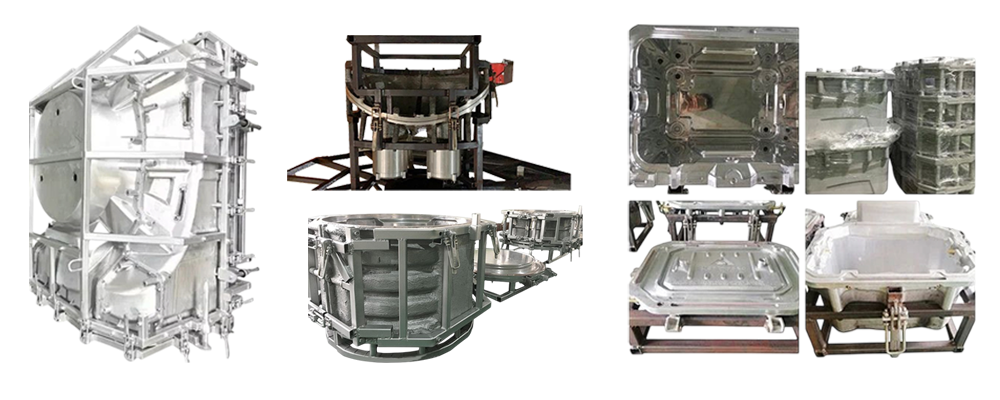
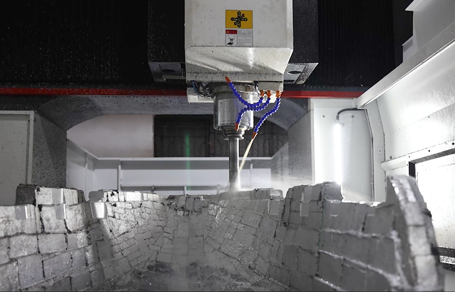
CNC aluminum molds are suitable when projects require:
They are often used for products where dimensional control and appearance requirements are important.
Fabricated steel molds can be a practical choice for large products with simpler structures.
They are often considered when:
The correct mold method should match the product, production requirements, and expected mold life. Learn more about our custom rotomolding mold development capabilities and tooling options.
A mold should not only produce a first sample. It should support future production.
During development, engineers consider:
A mold that works for one trial may still create challenges in long-term production if the structure is difficult to operate or maintain.
Considering production requirements early helps create a more efficient manufacturing process.
Several details have a direct influence on the final product quality.
The parting line affects:
A suitable parting line should balance product requirements and manufacturing practicality.
Proper venting allows air and gases to escape during the molding process and helps maintain stable production conditions.
Plastic materials shrink during cooling. Mold development should consider material behavior to achieve the required final product dimensions.
These factors are easier and more cost-effective to address before mold manufacturing.
One common challenge in new product development is the separation between mold suppliers and production suppliers.
When different teams handle tooling and production separately, communication gaps may occur.
Working with a team that understands both mold development and production can help:
The purpose is not to eliminate every design adjustment, but to identify and solve issues earlier.
Trial production provides important feedback that cannot always be confirmed from product data alone.
Engineers evaluate:
For new or complex products, trial production helps confirm that the mold and manufacturing process work together properly.
The lowest tooling price is not always the most economical choice.
A lower-cost mold may result in additional costs from:
A better evaluation considers:
The right mold is the one that provides reliable production value over the product life cycle.
A successful custom rotomolding project starts with good engineering decisions before mold manufacturing begins.
By reviewing product design, selecting the appropriate mold construction method, and considering production requirements early, companies can reduce unnecessary changes and improve development efficiency.
For new rotational molding projects, working with an experienced mold manufacturer that understands both tooling and production can help create a smoother path from product concept to final production. Contact our engineering teamto discuss your project requirements.
Rotational molding mold and OEM manufacturing insights, covering mold development, materials, design and production.
Need a custom mold, OEM production, or an electric kart boat? Share your project details with us. Our team will review your requirements and get back to you promptly.
No drawings yet? We can help review your idea and recommend the right approach.