
ZhongZe
China RotoMolds & OEM
Get a Quote
ZhongZe
China Roto
Rotational molding is a manufacturing process widely used for producing large hollow plastic products with complex shapes and durable structures.
For companies developing a new product, understanding how rotational molding works can help make better decisions during product design, mold development, and production planning.
Unlike injection molding, rotational molding forms products by heating and rotating a mold containing plastic material. The material gradually melts and coats the internal surface of the mold, creating the final product shape.
The final result depends on several factors working together, including mold design, material selection, product geometry, and process control.
The process begins with a properly prepared rotational molding mold.
Before production starts, engineers check:
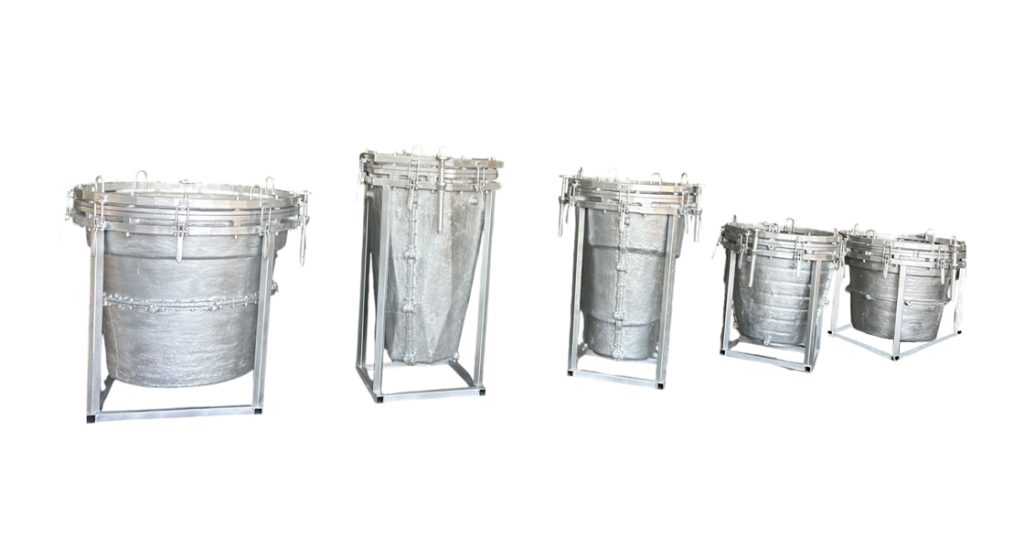
The correct amount of plastic material is then loaded into the mold.
Unlike processes that inject molten plastic under pressure, rotational molding relies on material distribution during rotation. Therefore, material weight has a direct influence on the final wall thickness of the product.
For new products, determining the appropriate material loading is usually part of the initial production trials.
After the mold is closed, it enters the heating stage while rotating around two axes.
As the temperature increases, the plastic material melts and gradually builds up on the inner surface of the mold.
The material distribution is affected by:
Areas such as corners, deep sections, and complex structures often require careful evaluation because they can affect wall thickness consistency.
This is why product design and mold development should be considered together before production begins.
After sufficient heating, the mold moves into the cooling stage while continuing to rotate.
During cooling, the molten plastic solidifies and forms the final product structure.
Cooling conditions can influence:
For precision applications, engineers need to consider material shrinkage and cooling behavior during mold development.
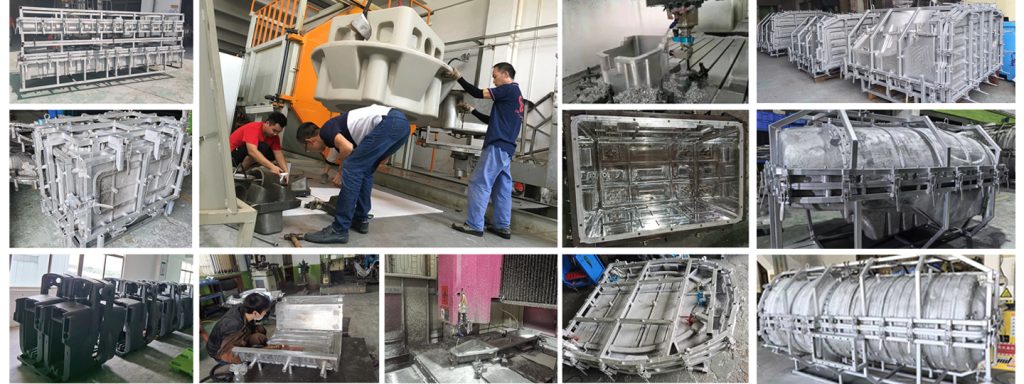
Once the product has cooled, the mold is opened and the part is removed.
Demolding performance depends on several factors:
A well-designed mold should allow efficient product removal while maintaining product quality.
After demolding, the product is inspected based on customer requirements, including:
For new products, trial production provides important feedback for improving both mold performance and process settings.
In rotational molding, the mold is not only a tool for creating the product shape.
Its design directly affects:
Important mold design considerations include:
Learn more about our rotational molding mold development capabilities.
The parting line affects product appearance, flash trimming, and mold operation.
Proper venting allows air and gases inside the mold to escape during the molding cycle.
The mold surface influences the final product appearance and texture.
The mold needs sufficient strength and stability for repeated heating and cooling cycles.
These details should be evaluated during mold development rather than after production begins.
The first molded product is an important step in a new rotational molding project.
During trial production, engineers evaluate:
Based on the results, adjustments may be required to:
This development process helps ensure that the mold and production conditions are suitable for ongoing manufacturing.
Rotational molding is a flexible process for producing large and durable plastic products, but consistent results require careful coordination between product design, mold development, and production control.
A well-designed mold provides the foundation, while proper material selection and process adjustment help achieve stable production.
For companies developing new rotationally molded products, understanding these key factors early can help reduce development challenges and create a smoother transition from product concept to manufacturing.Explore our custom rotomolded product manufacturing capabilities.

Rotational molding mold and OEM manufacturing insights, covering mold development, materials, design and production.
Need a custom mold, OEM production, or an electric kart boat? Share your project details with us. Our team will review your requirements and get back to you promptly.
No drawings yet? We can help review your idea and recommend the right approach.