ZhongZe
China RotoMolds & OEM
Get a Quote
ZhongZe
China Roto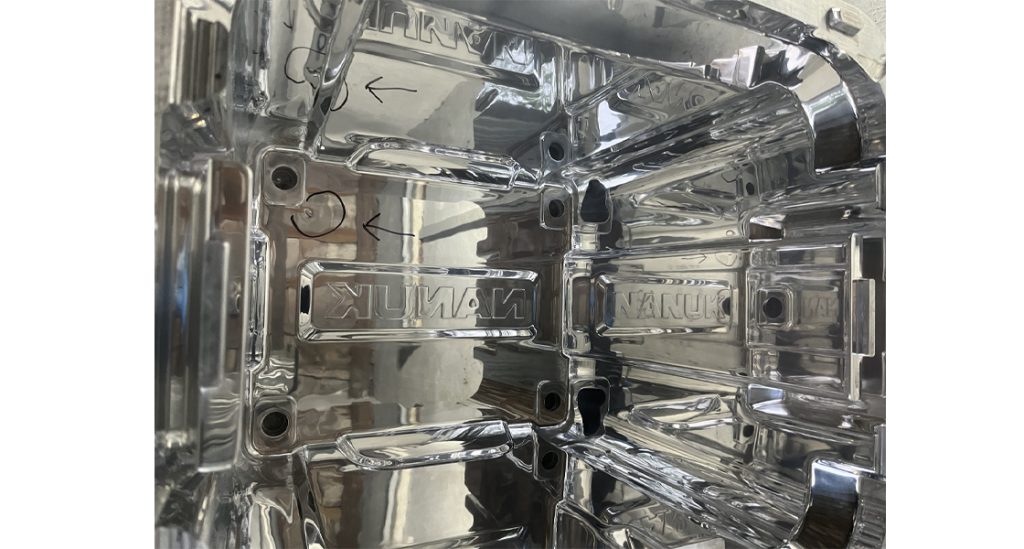
Rotational molding has become increasingly popular in industries such as playground equipment, transportation products, environmental containers, marine applications, and automotive components due to its advantages in producing large hollow parts and complex-shaped products.
Among all investments in rotational molding production, the mold is one of the most important and technically demanding elements. Mold quotations can vary significantly, from several thousand to tens of thousands of dollars or more, which often raises questions for buyers:
What determines the cost of a rotational molding mold?
Understanding the following five key factors will help you evaluate mold quotations more effectively and choose the right solution for your project.
The complexity of the mold structure is one of the most important factors affecting cost.
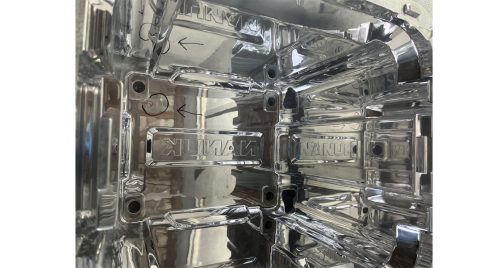
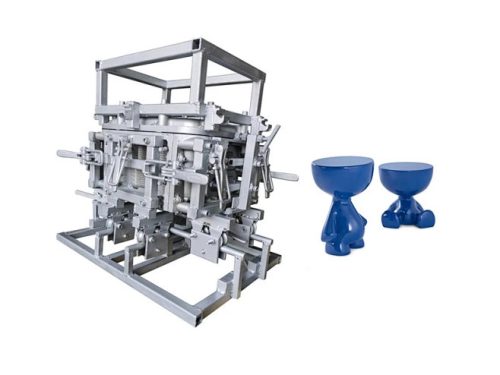
Rotomolding molds are typically manufactured from aluminum alloys through casting or fabricated welding processes. Features such as parting line design, draft angles, undercuts, inserts, and movable components directly influence manufacturing difficulty and production time.
For simple products such as round containers or basic hollow parts, mold structures are relatively straightforward and cost-effective.
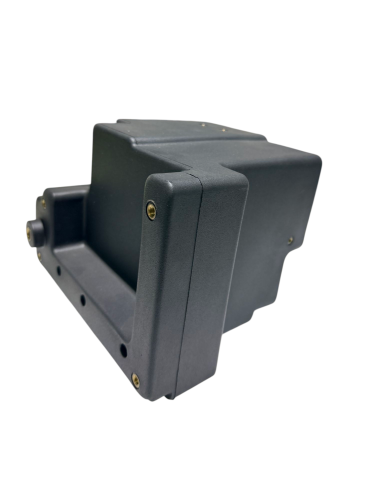
However, products with complex features such as internal threads, side openings, deep cavities, or undercut structures may require additional solutions, including sliding mechanisms, removable inserts, or custom tooling components. These additional features increase machining, assembly, and testing requirements.
For advanced applications requiring multi-color or multi-layer molding, the mold may also need special design considerations for material separation and process control, resulting in higher development costs.
The size of a rotational molding mold directly affects material usage, manufacturing difficulty, and overall cost.
Large molds require more aluminum material and higher requirements for casting equipment, machining capacity, and quality control. Manufacturing oversized molds also involves greater technical challenges during casting and processing.
Wall thickness design is another important consideration. A mold that is too thin may lack sufficient rigidity and deform during repeated heating and cooling cycles, affecting product accuracy and mold lifespan.
A properly designed mold balances strength, durability, heat transfer performance, and manufacturing cost. For large-scale molds, achieving this balance requires significant engineering experience.
The material quality and manufacturing process have a direct impact on mold performance and pricing.
Aluminum alloys are commonly used for rotational molding molds because of their excellent thermal conductivity and machinability. Different aluminum grades, such as A356, 6061, and 5083, offer different advantages in strength, corrosion resistance, and processing performance.
Higher-quality aluminum alloys may increase initial mold costs but can provide:
The casting method also affects mold quality. Advanced casting processes can improve material density, reduce internal defects, and provide better thermal performance.
For high-performance applications, additional treatments such as heat treatment may be used to reduce internal stress and improve long-term dimensional stability.
The surface quality of a rotomolded product is directly transferred from the mold cavity surface. Therefore, mold surface treatment plays an important role in the final product appearance.
For standard applications, basic machining and polishing may be sufficient.
However, products requiring premium finishes, such as:
require additional processing steps.
Special textures may involve chemical etching, precision polishing, or laser engraving, all of which add extra time and cost to the mold development process.
The cooling system is often overlooked when evaluating mold costs, but it can significantly impact production efficiency.
In rotational molding, cooling performance directly affects cycle time, production capacity, and product quality.
A well-designed cooling system, including optimized airflow channels or spray cooling structures, can reduce cooling time and improve manufacturing efficiency.
Although advanced cooling designs may increase initial mold costs, they can create significant savings during mass production by reducing cycle times.
A lower-priced mold without proper cooling optimization may result in longer production cycles, increasing operating costs over time.
When comparing mold quotations, buyers should evaluate not only the mold price itself but also the long-term production efficiency the mold can provide.
The cost of a rotational molding mold is not determined only by material weight or machining hours. It is the result of multiple factors, including:
For buyers, the best approach is to clearly define product requirements, expected production volume, and performance goals before discussing mold solutions with a manufacturer.
A lower-cost mold does not always mean lower overall cost, and a higher-priced mold is not always the best choice.
The right mold solution is the one that provides the best balance between initial investment, production efficiency, product quality, and long-term value.

Explore our mold development and OEM manufacturing capabilities.
Need a custom mold, OEM production, or an electric kart boat? Share your project details with us. Our team will review your requirements and get back to you promptly.
No drawings yet? We can help review your idea and recommend the right approach.