ZhongZe
China RotoMolds & OEM
Get a Quote
ZhongZe
China Roto
Rotomolding molds are one of the most important investments in the rotational molding process. A well-maintained mold can improve production consistency, reduce downtime, and significantly lower long-term manufacturing costs.
Extending mold life requires a comprehensive approach, including proper material selection, optimized mold design, surface protection, correct operation, and regular maintenance.
The following practices can help maximize the durability and performance of rotational molding molds.
The choice of mold material has a direct impact on durability, heat transfer performance, and maintenance requirements.
Common materials used for rotational molding molds include:
Aluminum molds are widely used because of their:
They are suitable for many custom rotomolding applications where cycle efficiency and product consistency are important.
Steel molds are often selected for:
However, welded areas and structural joints require regular inspection to prevent cracking or deformation over time.
Selecting the right mold material based on product requirements and production volume is the first step toward achieving longer mold life.
A well-designed mold can reduce stress concentration and prevent premature wear.
Important design considerations include:
Good mold design not only improves product quality but also reduces unnecessary stress on the mold during repeated production cycles.
The mold surface directly affects product appearance, release performance, and long-term durability.
Appropriate surface treatments can help:
For demanding applications, specialized coatings or surface treatments may provide additional protection against corrosion, abrasion, and chemical exposure.
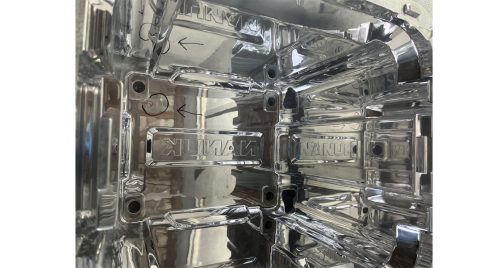
Since rotomolding products replicate the mold cavity surface, any damage on the mold surface may directly appear on the finished product.
Regular inspection should focus on:
Early repair of minor defects can prevent more expensive mold restoration later.
Regular cleaning helps maintain mold performance.
Recommended practices include:
Avoid using hard metal tools that may scratch the mold surface or damage the parting line.
Incorrect demolding is one of the most common causes of mold damage.
Avoid:
For coated molds, even small surface damage may require extensive repair work.
A controlled and gentle demolding process helps protect both the mold and the finished product.
A preventive maintenance schedule should include:
Regular maintenance is usually much more cost-effective than repairing severe mold damage.
Proper storage is especially important for molds that are not used frequently.
Recommended storage conditions:
For large molds:
For long-term storage, additional support structures may be required to prevent internal deformation, especially for large hollow molds.
Creating a mold maintenance record helps manufacturers better understand mold performance.
Important information includes:
This information helps identify potential problems early and supports better decisions regarding mold refurbishment or replacement.
The service life of a rotational molding mold depends on more than just the mold material. It is influenced by:
A well-managed mold can provide more stable production, better product consistency, and lower total manufacturing costs over its lifetime.
For companies relying on custom rotational molding production, investing in professional mold design and proper maintenance practices is essential for achieving long-term production efficiency.

Explore our mold development and OEM manufacturing capabilities.
Need a custom mold, OEM production, or an electric kart boat? Share your project details with us. Our team will review your requirements and get back to you promptly.
No drawings yet? We can help review your idea and recommend the right approach.