ZhongZe
China RotoMolds & OEM
Get a Quote
ZhongZe
China Roto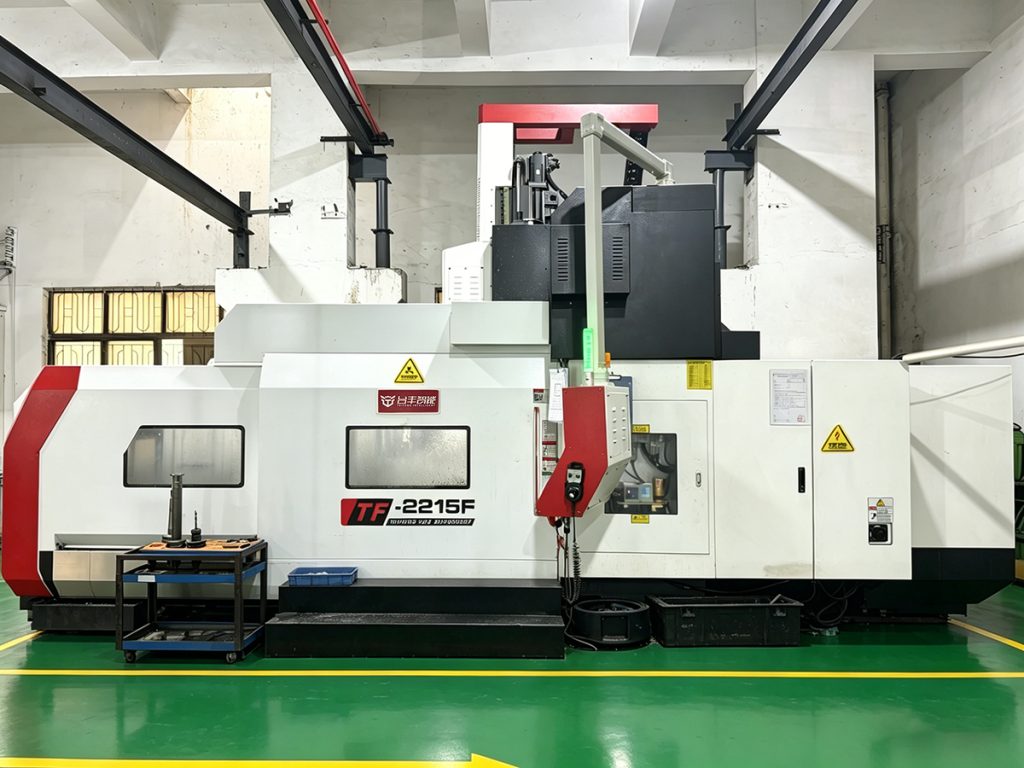
Rotational molding molds are the foundation of high-quality rotomolded products. Unlike injection molding molds, rotomolding molds require specialized designs to achieve proper heat transfer, material distribution, product accuracy, and efficient demolding.
A professional mold manufacturing process ensures that the final mold can provide stable production performance, consistent product quality, and long service life.
The typical rotomolding mold manufacturing process includes several key stages:
The first step in rotomolding mold development is understanding the product requirements and creating an optimized mold design.
Engineers evaluate:
Based on these factors, the mold design team creates detailed 3D models and manufacturing drawings.
A well-designed mold is critical because it directly affects product quality, production efficiency, and mold lifespan.
Choosing the right mold material is essential for achieving stable performance.
Common materials for rotational molding molds include:
Widely used because of:
Often selected for:
After material selection, the mold components are prepared according to the design requirements, including mold plates, frames, reinforcement structures, and other supporting parts.
After the mold structure is finalized, manufacturing begins.
Depending on the mold type and requirements, the process may include:
For CNC-machined molds, advanced machining equipment is used to achieve accurate dimensions and consistent mold quality.
During manufacturing, key factors include:
After individual mold components are completed, the mold is assembled and carefully inspected.
The assembly process includes:
A properly assembled mold ensures smooth operation during production and reduces potential defects.
Before delivery, the mold undergoes final inspection and finishing.
Quality checks may include:
The mold cavity surface is especially important because it directly determines the final appearance and texture of the rotomolded product.
Only after passing quality inspection is the mold ready for production use.
Before mass production, a mold trial is normally performed to verify actual performance.
During the trial process, manufacturers evaluate:
Based on trial results, engineers may make adjustments to optimize the mold and production parameters.
This validation process helps ensure stable long-term production.
A successful rotational molding mold requires more than manufacturing capability. It requires:
From initial design to final production approval, every stage influences the performance and reliability of the mold.
For companies developing custom rotomolded products, choosing a manufacturer with both rotomolding mold development expertise and OEM production capability helps achieve better product quality, shorter development cycles, and more efficient manufacturing.

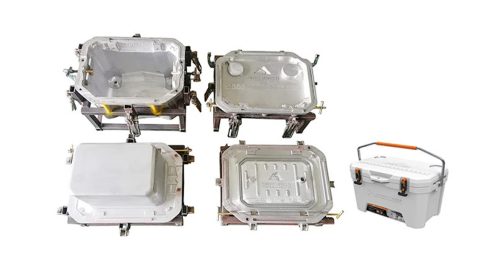
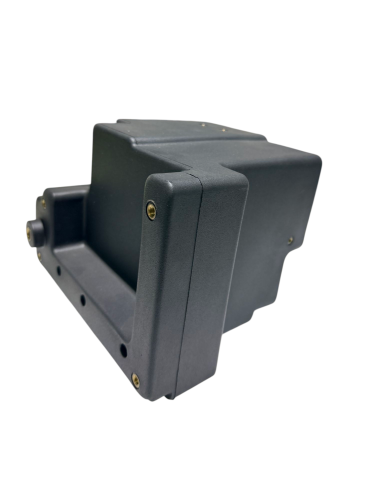
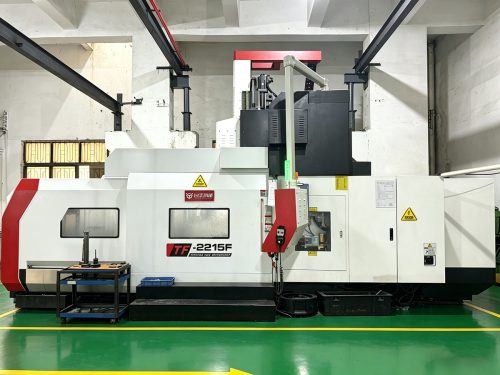
Explore our mold development and OEM manufacturing capabilities.
Need a custom mold, OEM production, or an electric kart boat? Share your project details with us. Our team will review your requirements and get back to you promptly.
No drawings yet? We can help review your idea and recommend the right approach.