ZhongZe
China RotoMolds & OEM
Get a Quote
ZhongZe
China Roto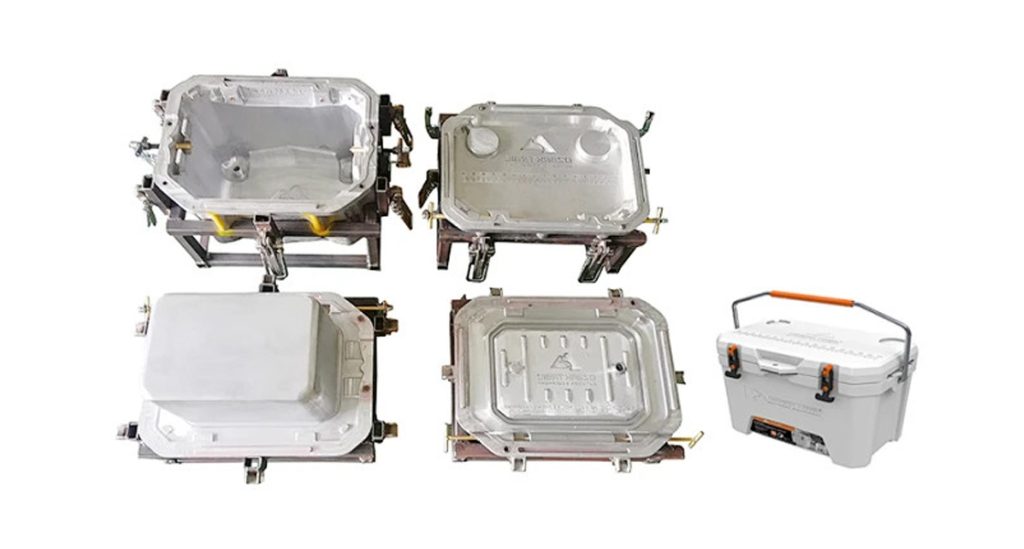
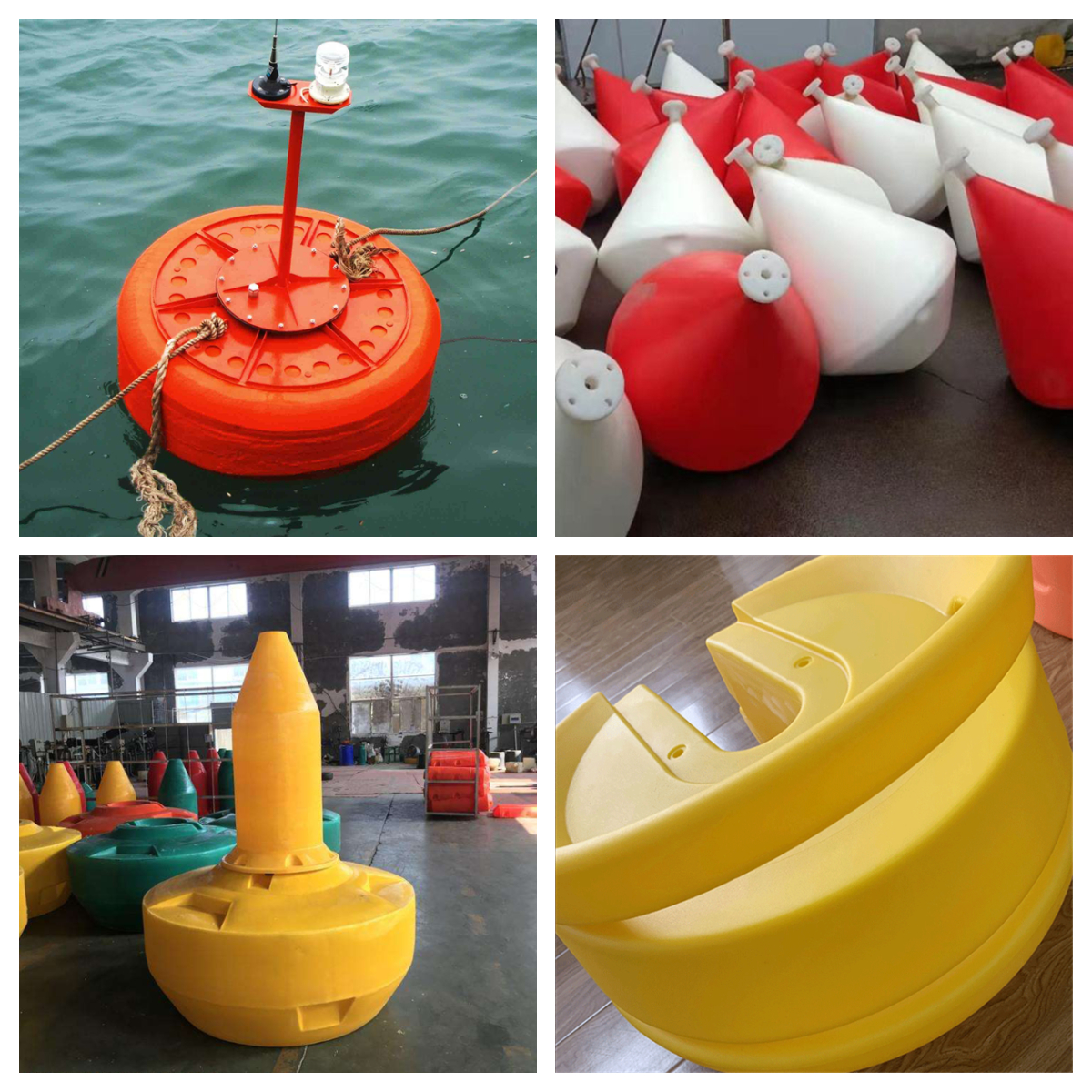
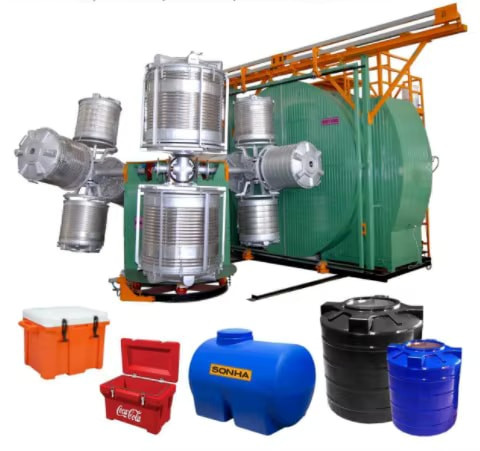
Rotational molding is widely used for manufacturing large hollow products, storage tanks, playground equipment, marine products, and automotive components. However, compared with other plastic manufacturing processes, one of its main challenges is the relatively long production cycle, which can significantly impact production capacity and energy consumption.
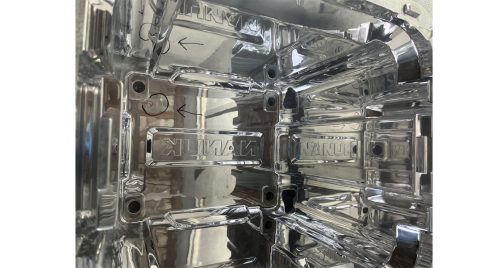
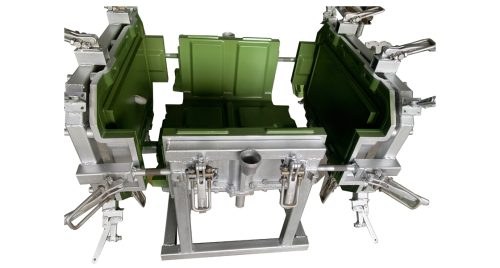
Optimizing the mold structure is one of the most effective ways to improve rotational molding efficiency. The mold is not only responsible for forming the product shape but also plays a critical role in heat transfer, air removal, cooling efficiency, and demolding performance.
Through proper optimization of mold design, manufacturers can reduce heating, cooling, and waiting times while maintaining product quality and consistency.
Mold heat transfer efficiency directly affects both heating and cooling stages of the rotational molding process.
Traditional molds often use a uniform wall thickness design. However, different areas of a product may require different heat transfer performance. Complex areas with thicker sections usually require more heat to achieve complete melting, while large flat areas may experience uneven heating or overheating.
By analyzing heat distribution and identifying slow-heating areas, engineers can optimize mold wall thickness to improve thermal efficiency.
For example:
Advanced mold designs may also incorporate improved heat-conductive materials or inserts in critical areas to accelerate heat transfer.
Efficient air removal is essential for achieving high-quality rotomolded products and reducing unnecessary processing time.
During rotational molding, air trapped inside the mold must be released as the plastic material melts and spreads across the mold surface. Poor venting design can lead to:
Traditional venting methods often rely on simple vent holes or porous vent plugs. However, optimized mold designs may include strategically positioned vent channels, improved vent locations, or advanced venting components.
For more demanding applications, vacuum-assisted venting systems can further improve air removal and help molten material flow into detailed mold areas.
A well-designed venting system allows manufacturers to achieve better product quality without unnecessarily extending heating time.
Cooling is often one of the longest stages in the rotational molding cycle. Improving cooling efficiency can significantly increase production productivity.
Optimized cooling structures may include:
These designs help remove heat more efficiently, especially from thicker sections where heat retention is higher.
Demolding performance is another important factor affecting cycle time. Poor mold release can create unnecessary waiting time and increase labor requirements.
Improved parting line designs, guiding structures, air-assisted demolding, and other release solutions can make mold opening faster and more reliable.
For high-efficiency production environments, automated demolding assistance can further reduce operator involvement and improve consistency.
Mold material selection also influences heating efficiency and production performance.
Aluminum molds are widely used in rotational molding because of their excellent thermal conductivity and machining flexibility.
Proper material selection and surface treatment can help achieve:
Additional surface treatments may also improve material flow behavior and reduce the time required for plastic powder to evenly coat the mold cavity.
Mold optimization cannot be considered separately from other production factors.
The best results are achieved when mold design works together with:
For example, improving the mold venting system may allow shorter heating cycles, while better cooling structures can increase production efficiency during high-volume manufacturing.
A successful rotational molding solution requires coordination between mold engineering and the complete manufacturing process.
Optimizing rotational molding molds can significantly improve production efficiency by reducing heating time, improving cooling performance, and simplifying demolding operations.
Key optimization areas include:
A well-designed mold is not only a forming tool but also an important factor influencing production cost, product quality, and manufacturing efficiency.
For companies producing customized rotomolded products, investing in professional mold design and optimization can create long-term value through higher productivity and more stable production performance.

Explore our mold development and OEM manufacturing capabilities.
Need a custom mold, OEM production, or an electric kart boat? Share your project details with us. Our team will review your requirements and get back to you promptly.
No drawings yet? We can help review your idea and recommend the right approach.