ZhongZe
China RotoMolds & OEM
Get a Quote
ZhongZe
China Roto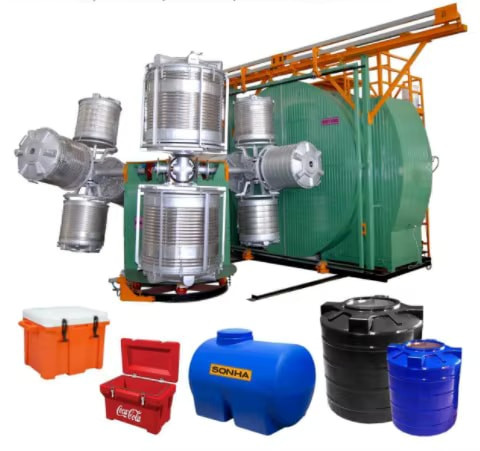
Rotational molding, also known as rotomolding, is a versatile plastic manufacturing process widely used for producing large hollow parts, complex shapes, and durable plastic products.
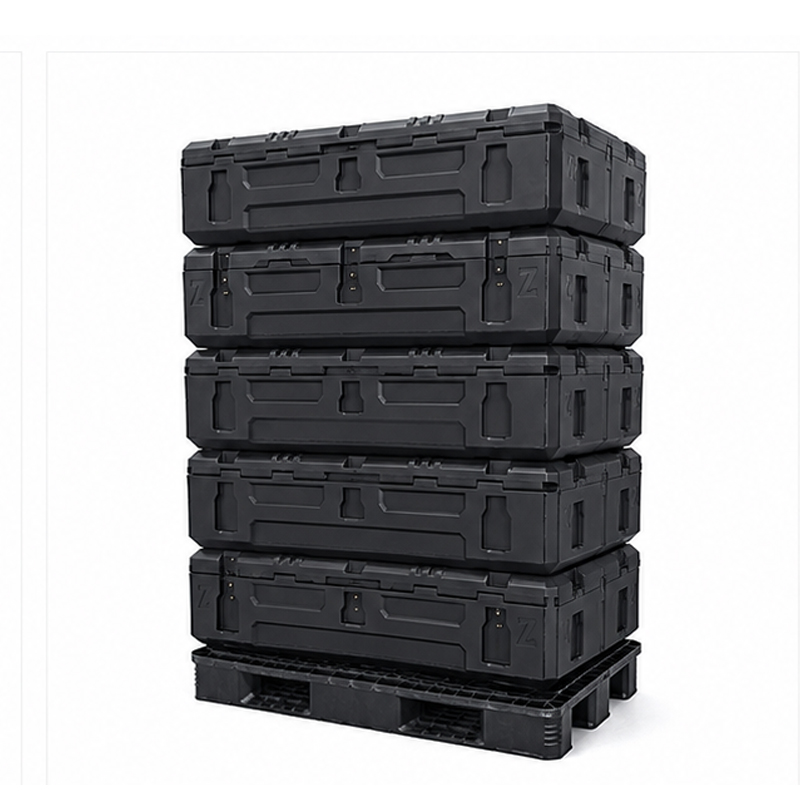
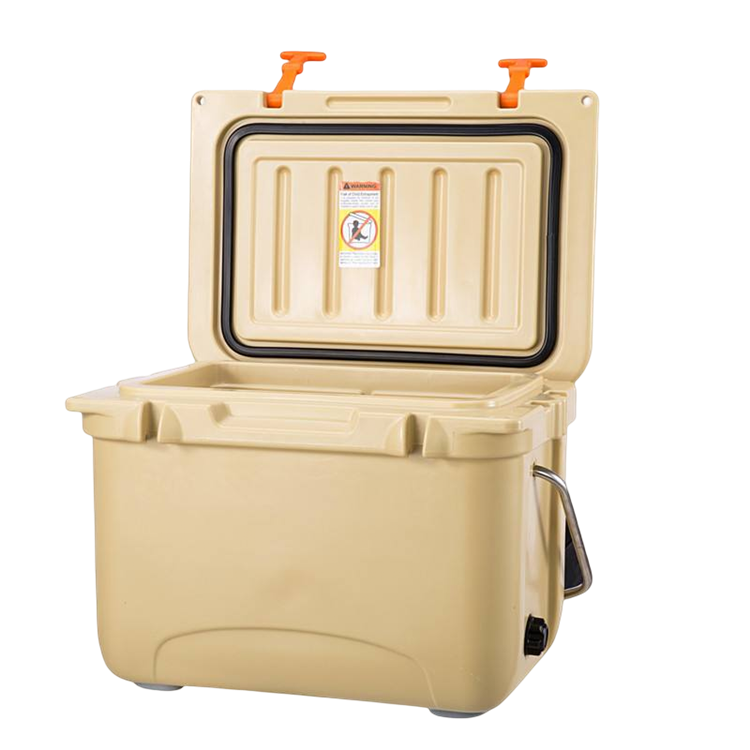
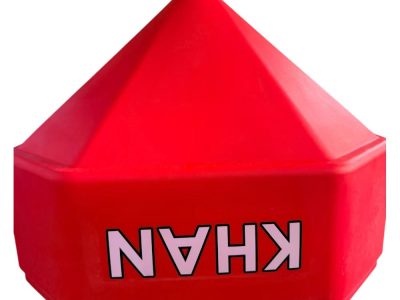
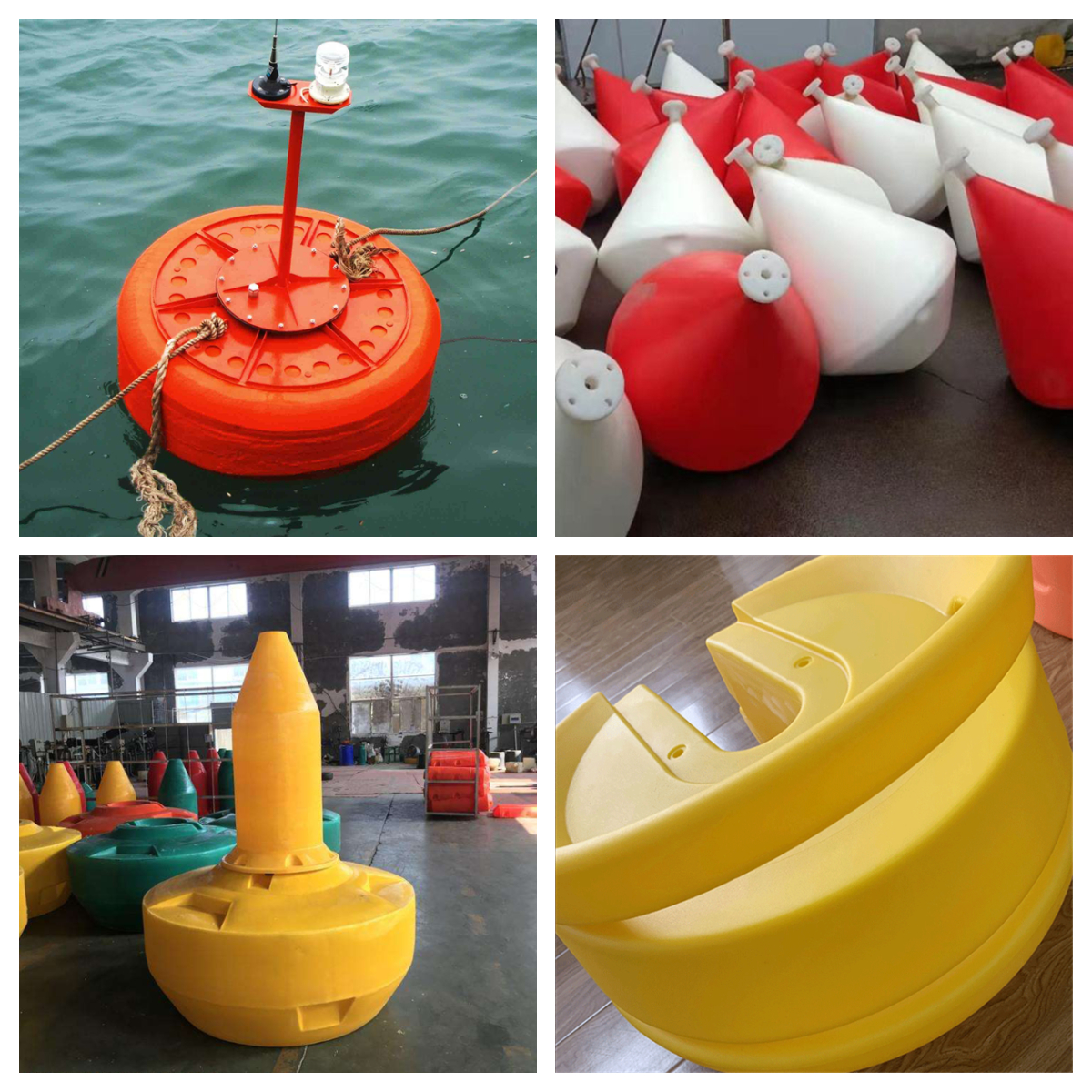
Applications include storage tanks, marine products, outdoor equipment, industrial components, and custom OEM plastic parts.
Unlike injection molding, rotational molding relies on controlled heating, rotation, and cooling rather than high-pressure forming. Therefore, product quality is highly influenced by several key factors, including material selection, mold design, temperature control, rotation parameters, and equipment performance.
Understanding these factors is essential for achieving consistent product quality and improving production efficiency.
Temperature is one of the most important factors affecting rotational molding performance.
During the molding process, plastic material must be heated until it melts and evenly coats the inner surface of the mold.
The heating process directly affects:
If the temperature is too low:
If the temperature is too high:
Different materials require different processing temperatures. A proper heating profile must be developed according to resin type, product structure, and mold design.
Material selection plays a fundamental role in determining product performance.
Different plastic materials provide different characteristics, including:
Common rotational molding materials include:
The most widely used rotomolding material due to:
Suitable for applications requiring:
Used for applications requiring special properties such as flexibility or chemical resistance.
Selecting the correct material according to the product environment is essential for achieving reliable performance and service life.
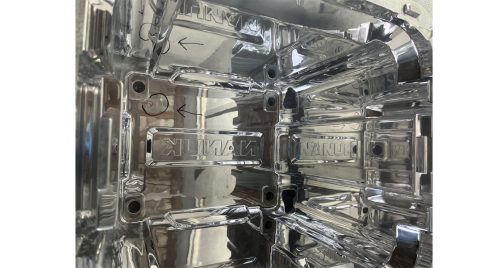
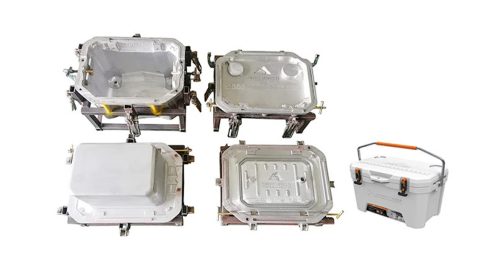
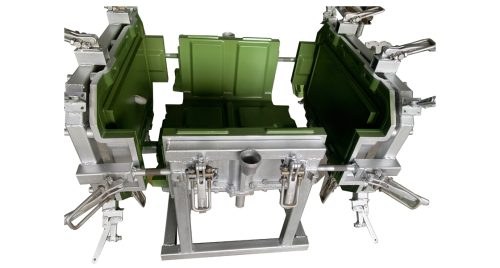
The mold directly determines product shape, surface quality, and production efficiency.
A properly designed rotomolding mold should consider:
High-quality molds help achieve:
For custom rotational molding projects, professional mold design is critical to reducing production issues and improving overall manufacturing efficiency.
Rotational speed affects how evenly the melted plastic distributes inside the mold.
The correct rotation ratio between the primary and secondary axes helps ensure that material reaches:
Incorrect rotation parameters may cause:
Each product requires process adjustment based on its size, shape, and material characteristics.
Cooling is another important stage that directly affects product quality.
Proper cooling helps control:
Too rapid cooling may increase internal stress and deformation, while insufficient cooling may extend production cycles and affect productivity.
A well-designed cooling process balances production efficiency with product stability.
Production equipment has a significant influence on process stability.
Key equipment factors include:
The machine must provide:
Equipment selection should match product size, mold weight, and production requirements.
Additional systems such as:
can improve production consistency and efficiency.
The quality of rotational molding products is determined by the combined influence of:
No single factor works independently. A successful rotomolding solution requires close coordination between product design, mold engineering, material selection, and manufacturing process control.
For companies developing custom plastic products, working with an experienced rotational molding manufacturer can help achieve better quality, shorter development cycles, and more reliable production results.

Explore our mold development and OEM manufacturing capabilities.
Need a custom mold, OEM production, or an electric kart boat? Share your project details with us. Our team will review your requirements and get back to you promptly.
No drawings yet? We can help review your idea and recommend the right approach.